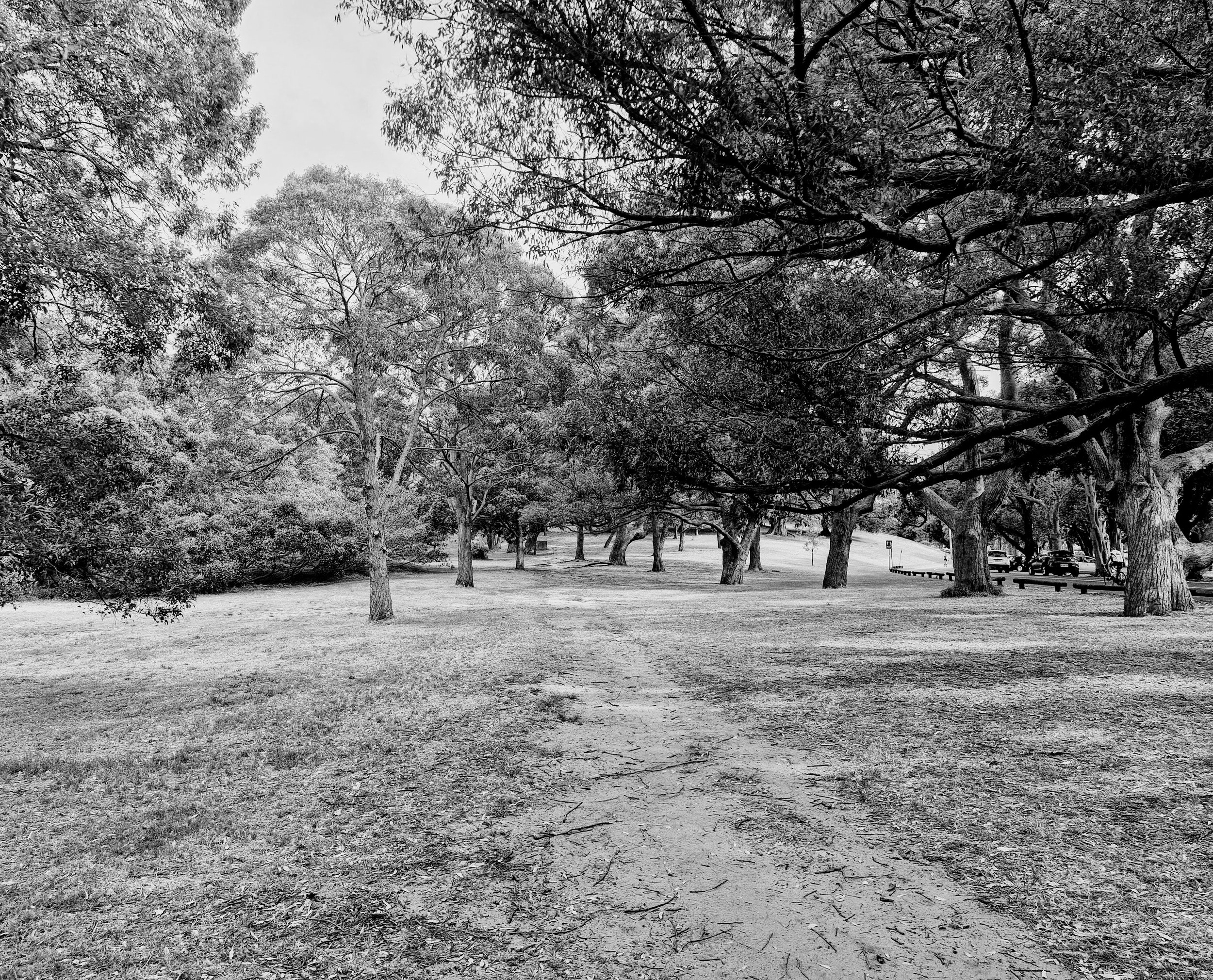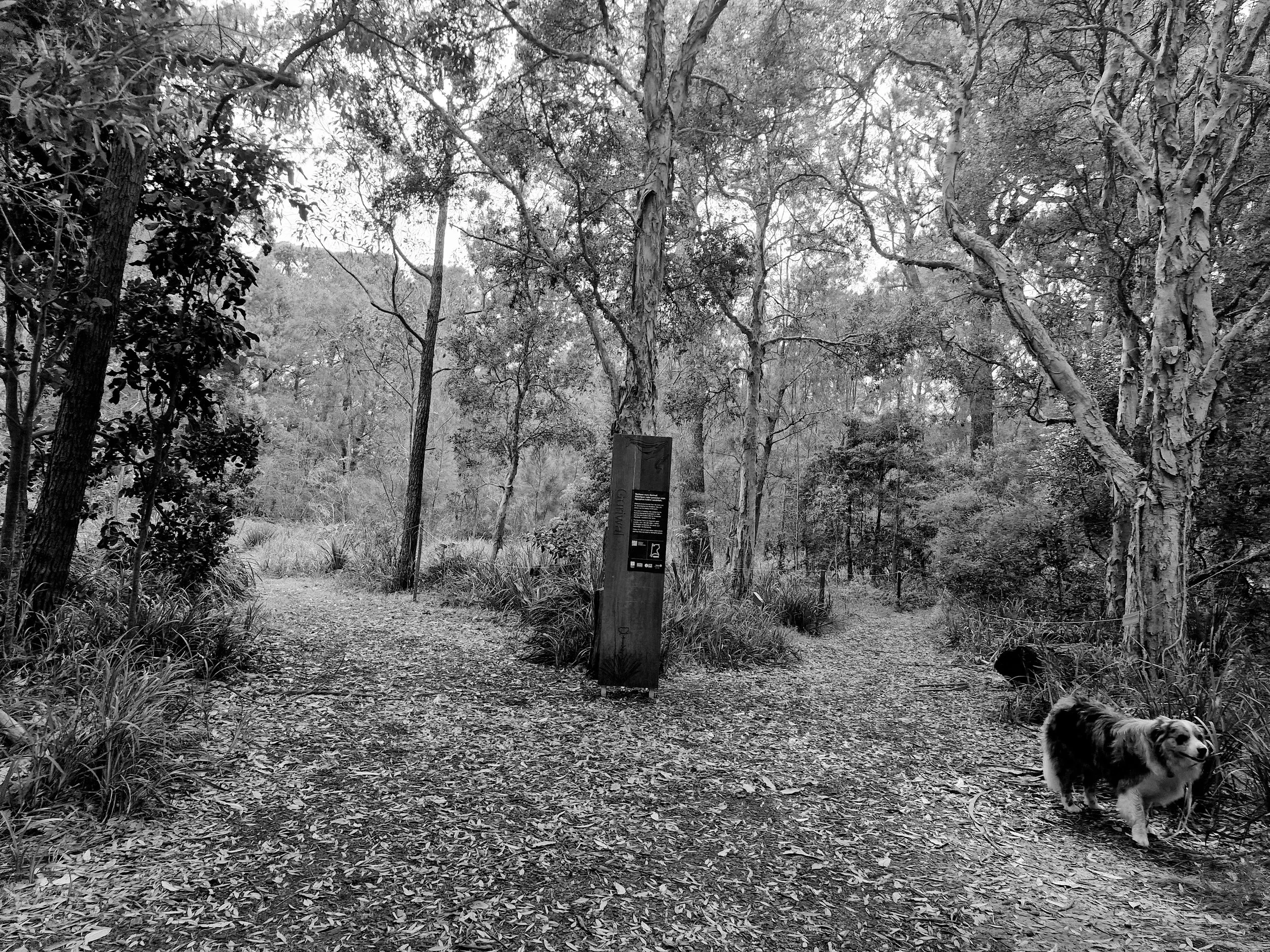
Fearnley Grounds Walk
Fearnley Grounds Walk
Centennial Park, NSW - Australia
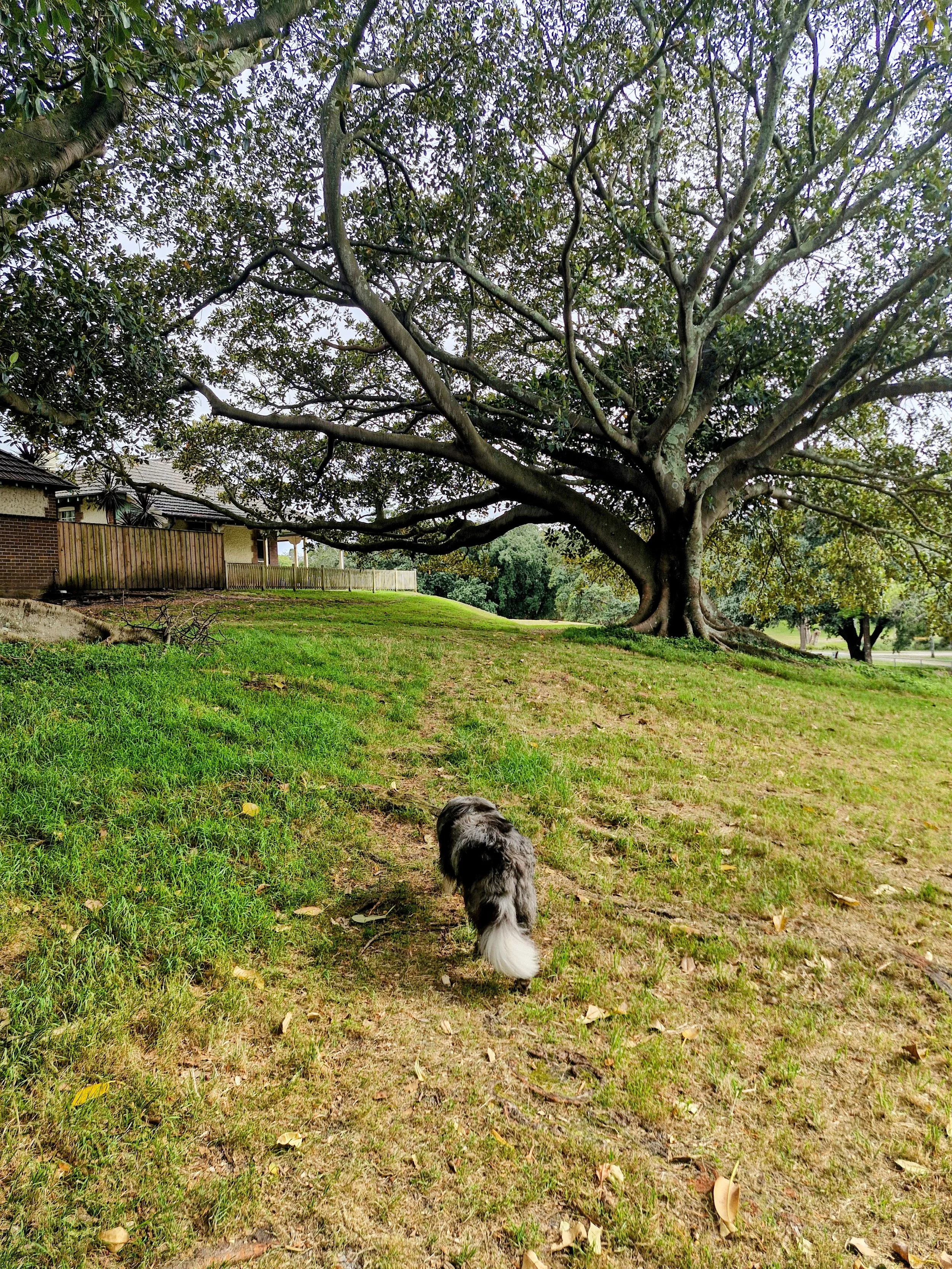
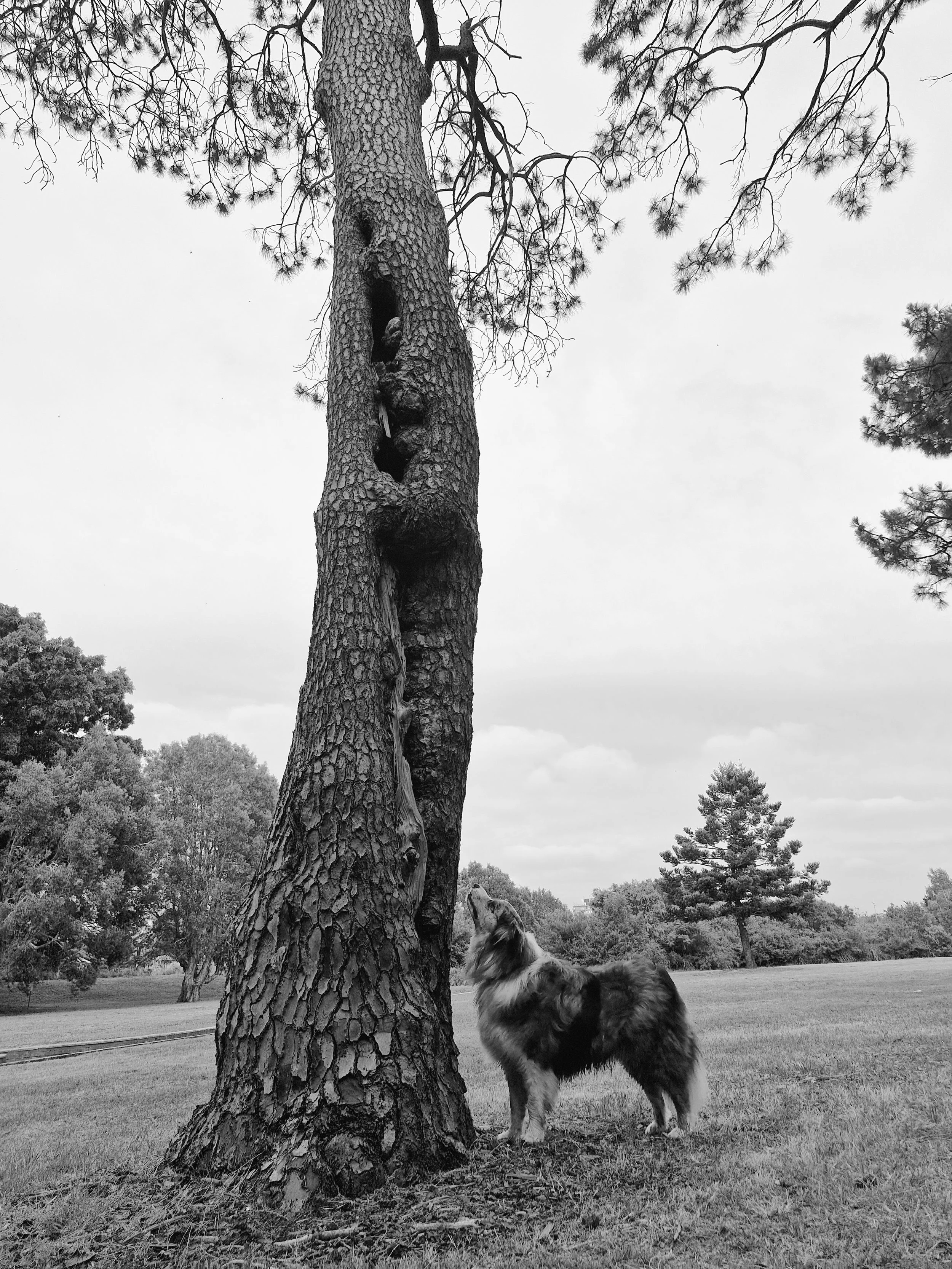
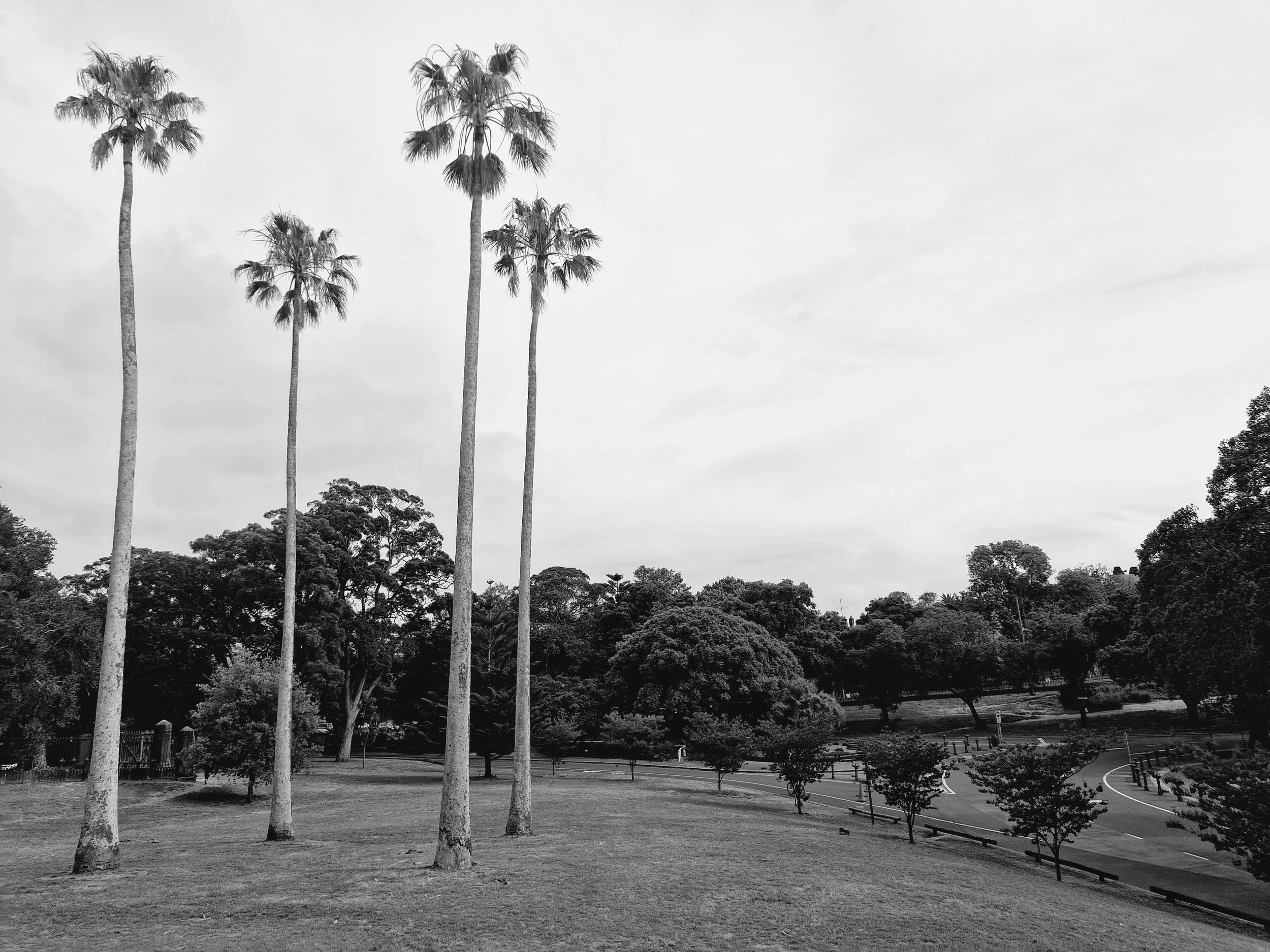
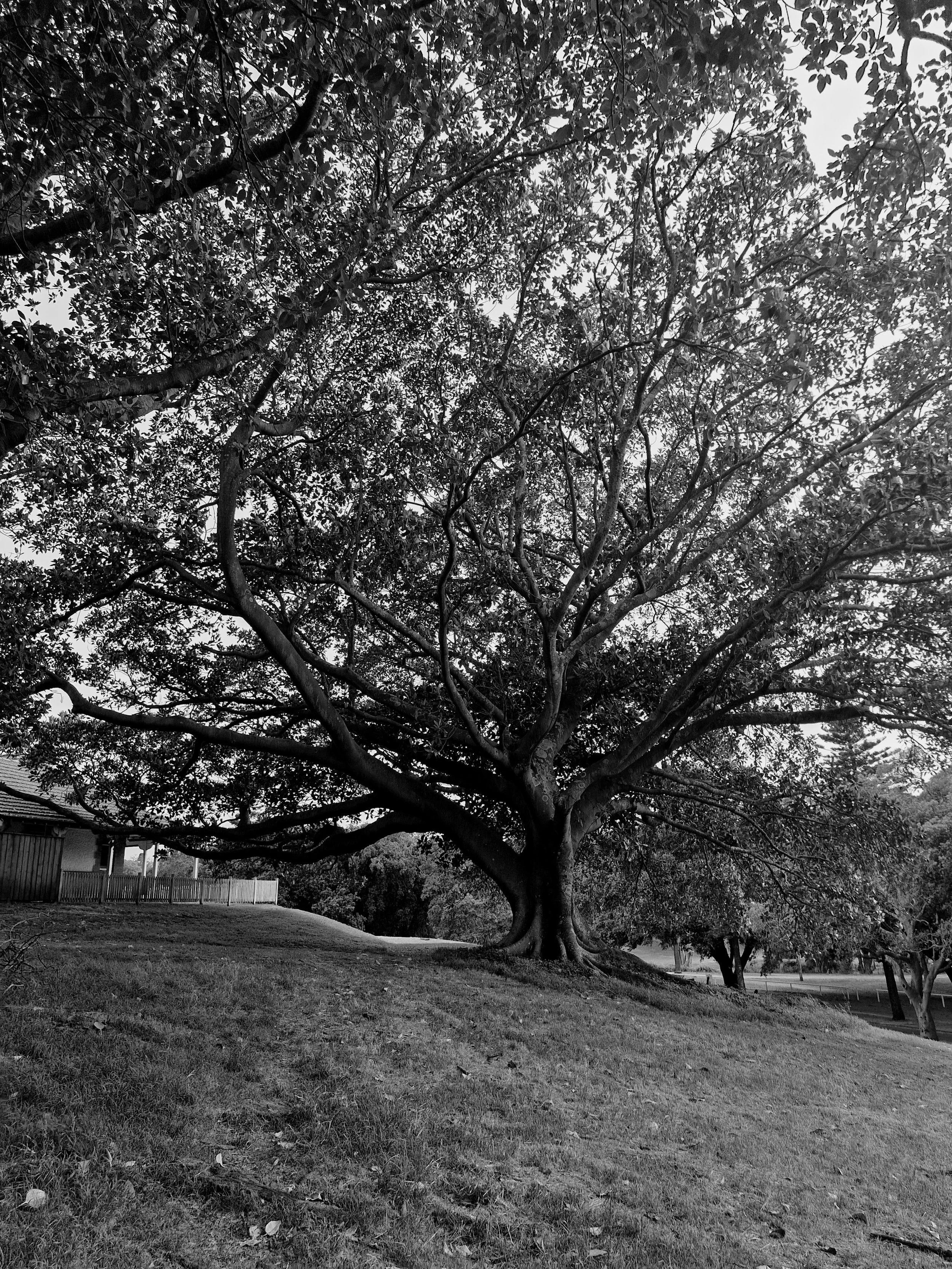
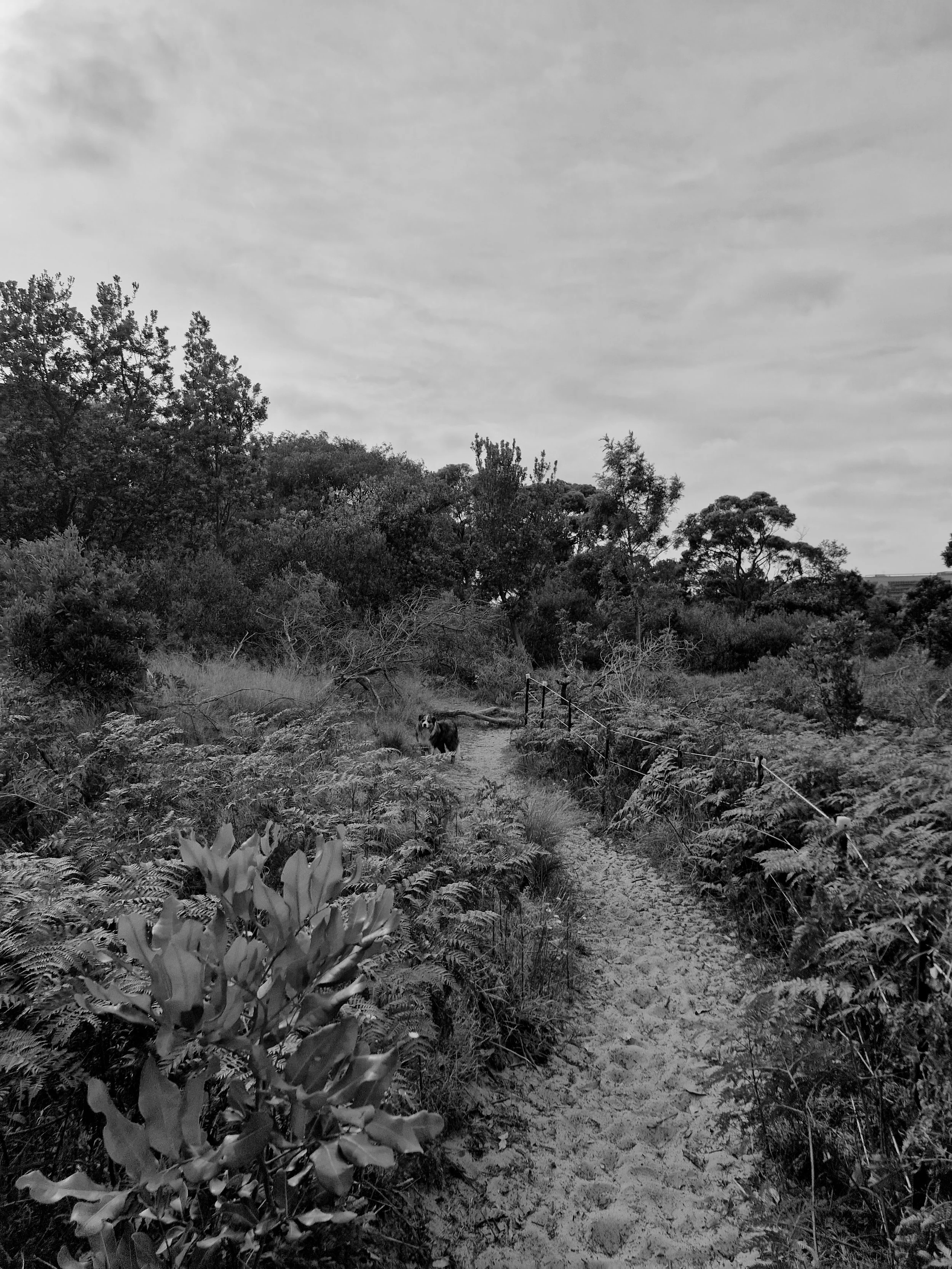
This walking session at Centennial Park may represent one of the most dynamic off-leash environments available within the Sydney metropolitan area. The route, captured in the Garmin activity log, covers the central pond system extending from Kensington Pond to Busbys Pond. This region of the park is designated as an off-leash zone, providing a controlled but unconstrained movement area suitable for observing canine locomotion patterns, environmental engagement, and behavioural responses to open-space stimuli.
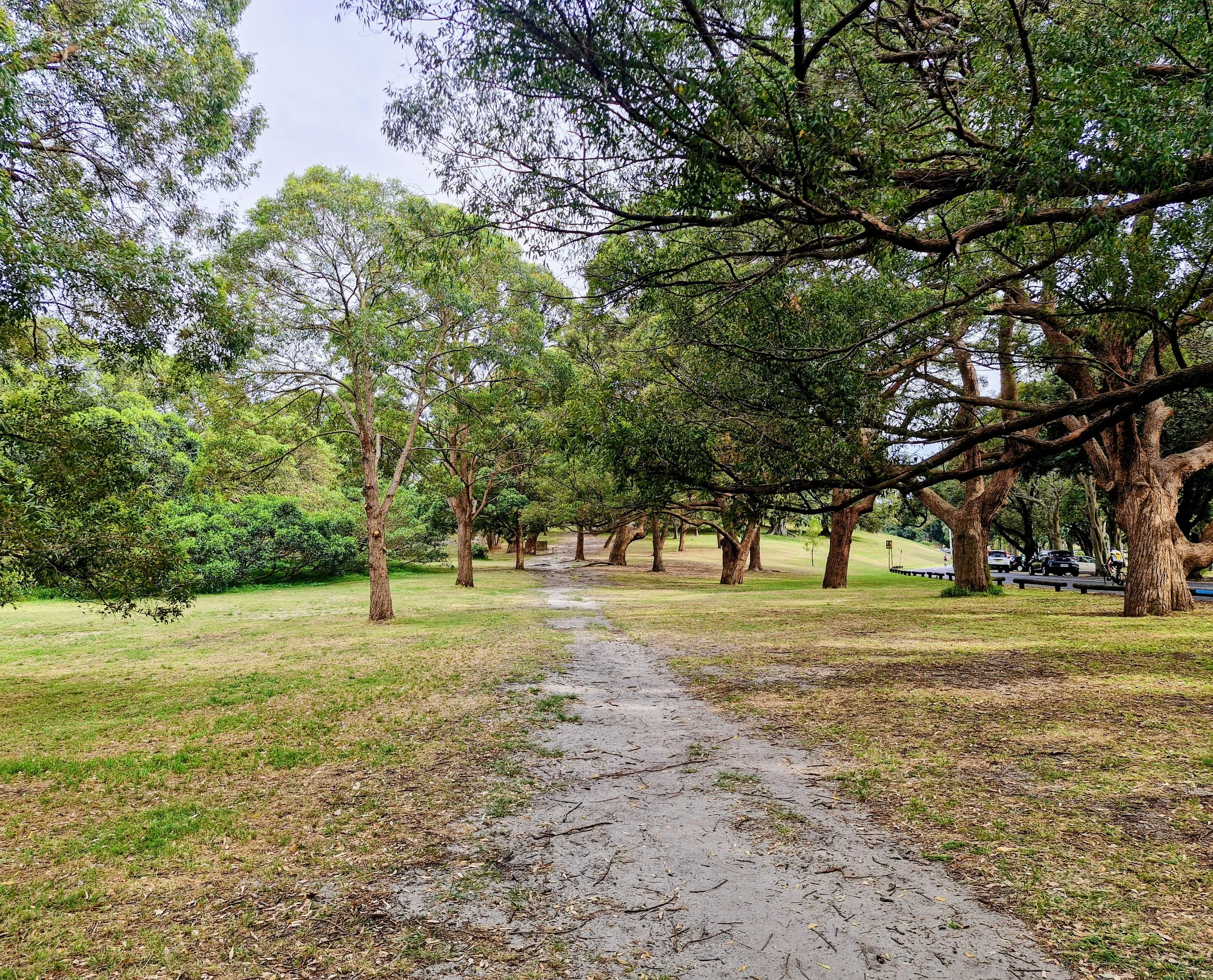
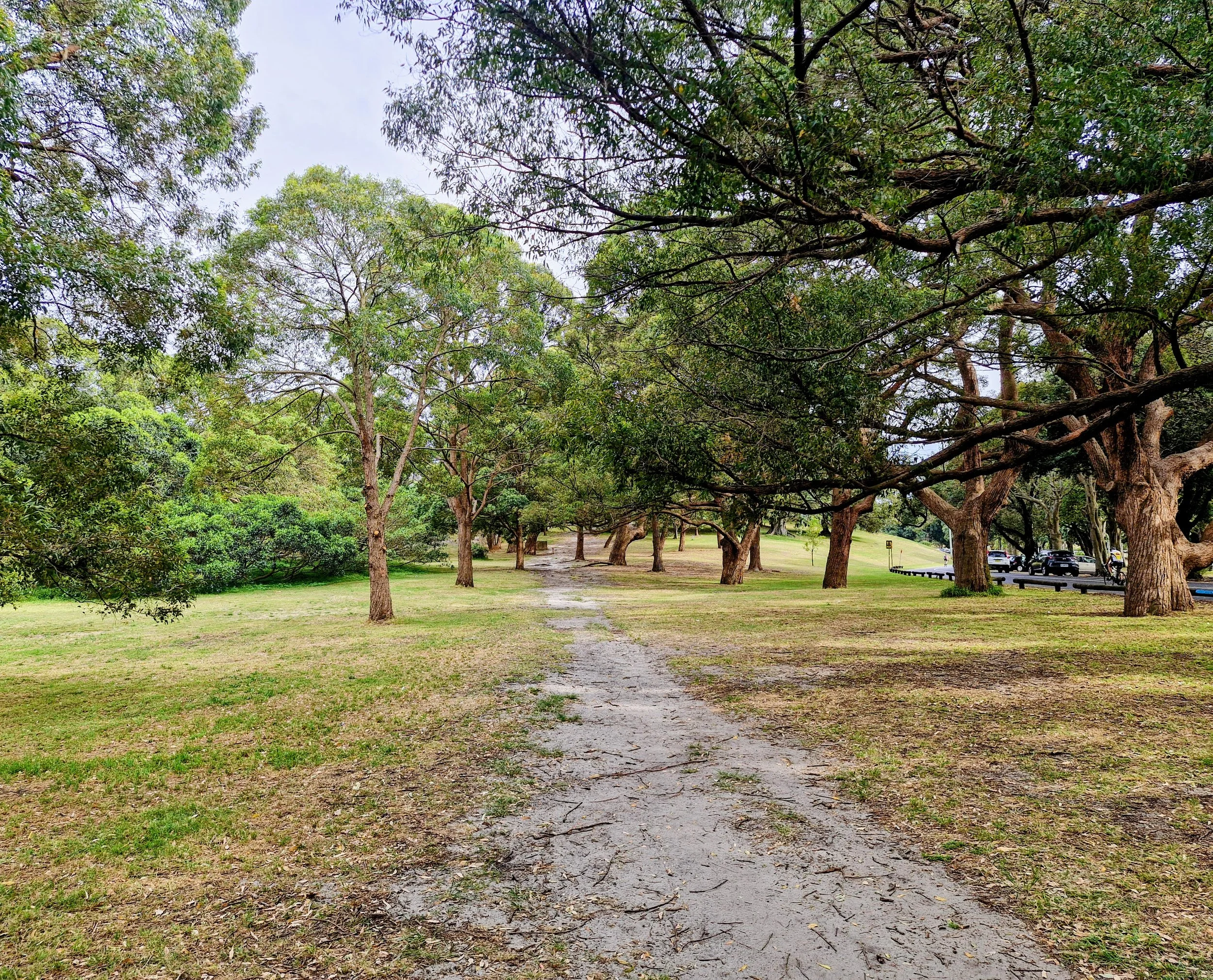
The spatial layout, visible in the attached map, features a combination of paved paths, compacted soil trails, and open grassland. These varied terrains support multimodal gait transitions and allow dogs to interact with diverse sensory cues, including waterfowl habitats, high-density tree lines, and intermittent pedestrian activity. The curved perimeter surrounding the ponds creates natural waypoints that segment the walk into measurable intervals of activity, acceleration, and pause events.
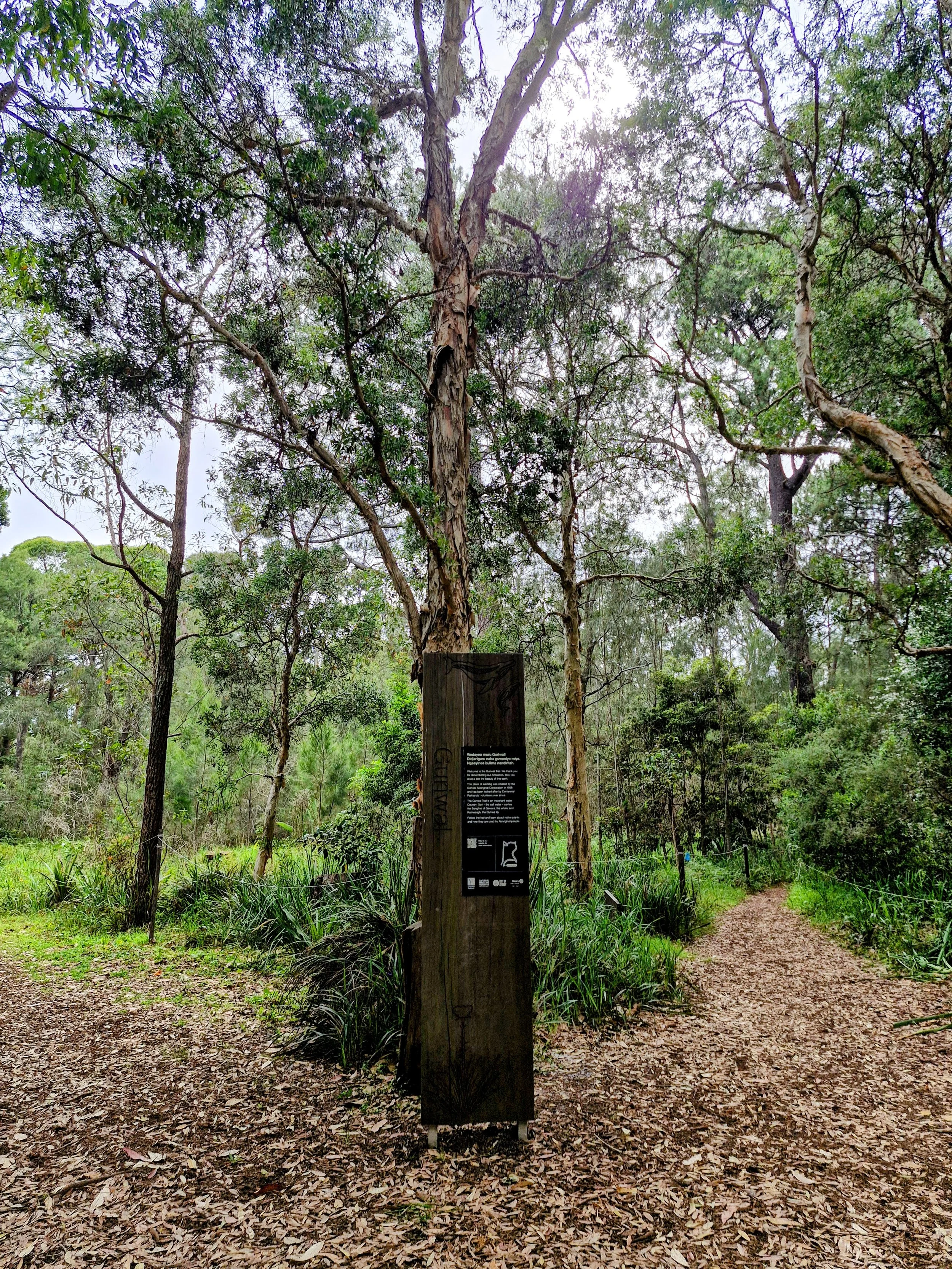
From an environmental perspective, Centennial Park offers a rare combination of ecological diversity and urban accessibility. The presence of freshwater ponds, shaded corridors, and broad visibility zones makes this area particularly suitable for studying canine spatial freedom, environmental enrichment, and movement efficiency in an off-leash context.
-

91 minutes of Zone 1–2 aerobic conditioning.
Seiler, S. (2010). What is best practice for training intensity and duration distribution in endurance athletes? International Journal of Sports Physiology and Performance, 5(3), 276–291.
-

5.03 km with 150 m elevation for lower-limb strength.
Millet, G. Y., & Lepers, R. (2004). Alterations of neuromuscular function after prolonged running. Exercise and Sport Sciences Reviews, 32(1), 34–39.
-
Avg HR 99 bpm indicating parasympathetic recovery.
Stanley, J., Peake, J. M., & Buchheit, M. (2013). Cardiovascular parasympathetic reactivation after exercise: implications for recovery. Sports Medicine, 43(12), 1035–1057.
-
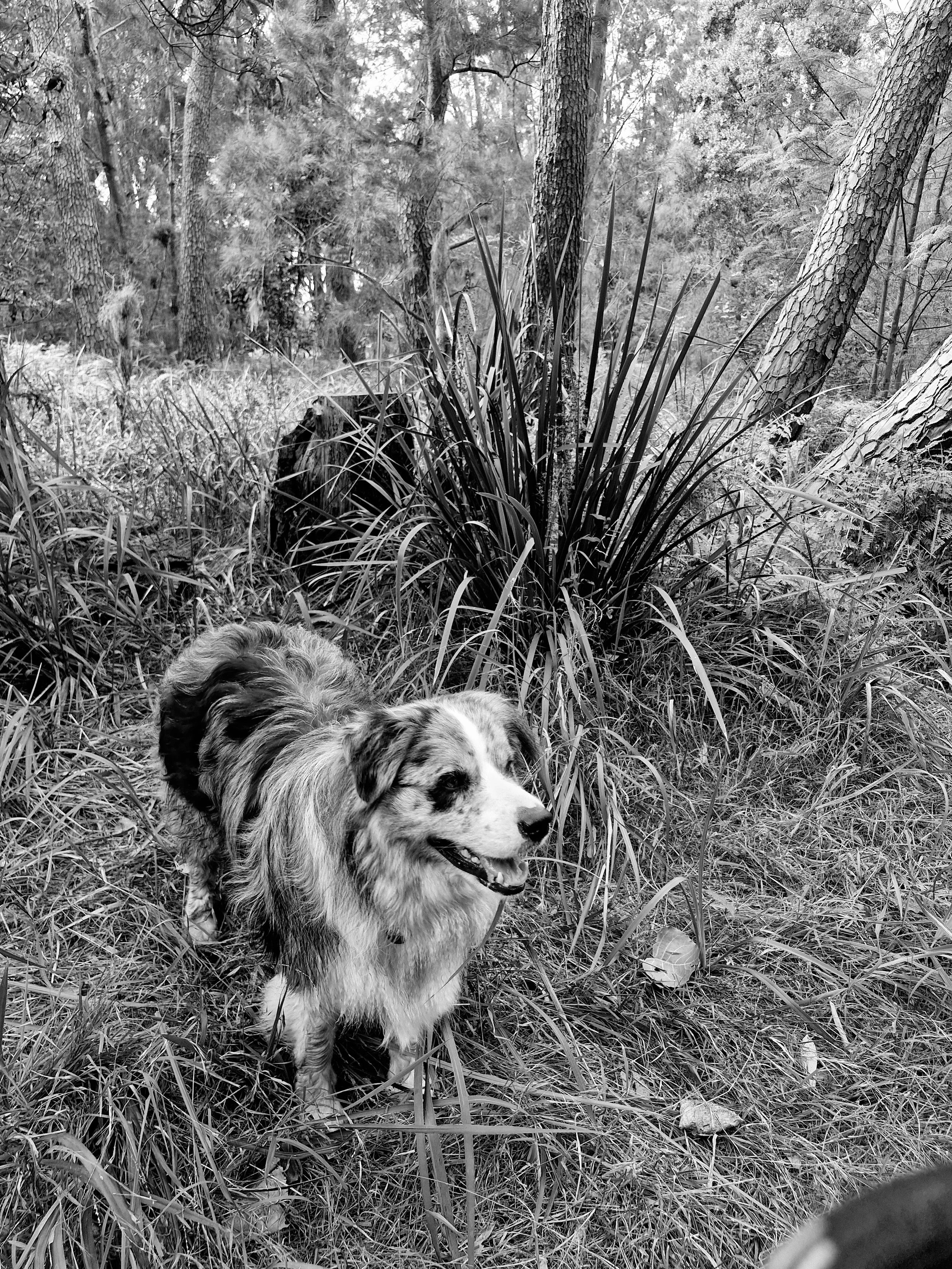
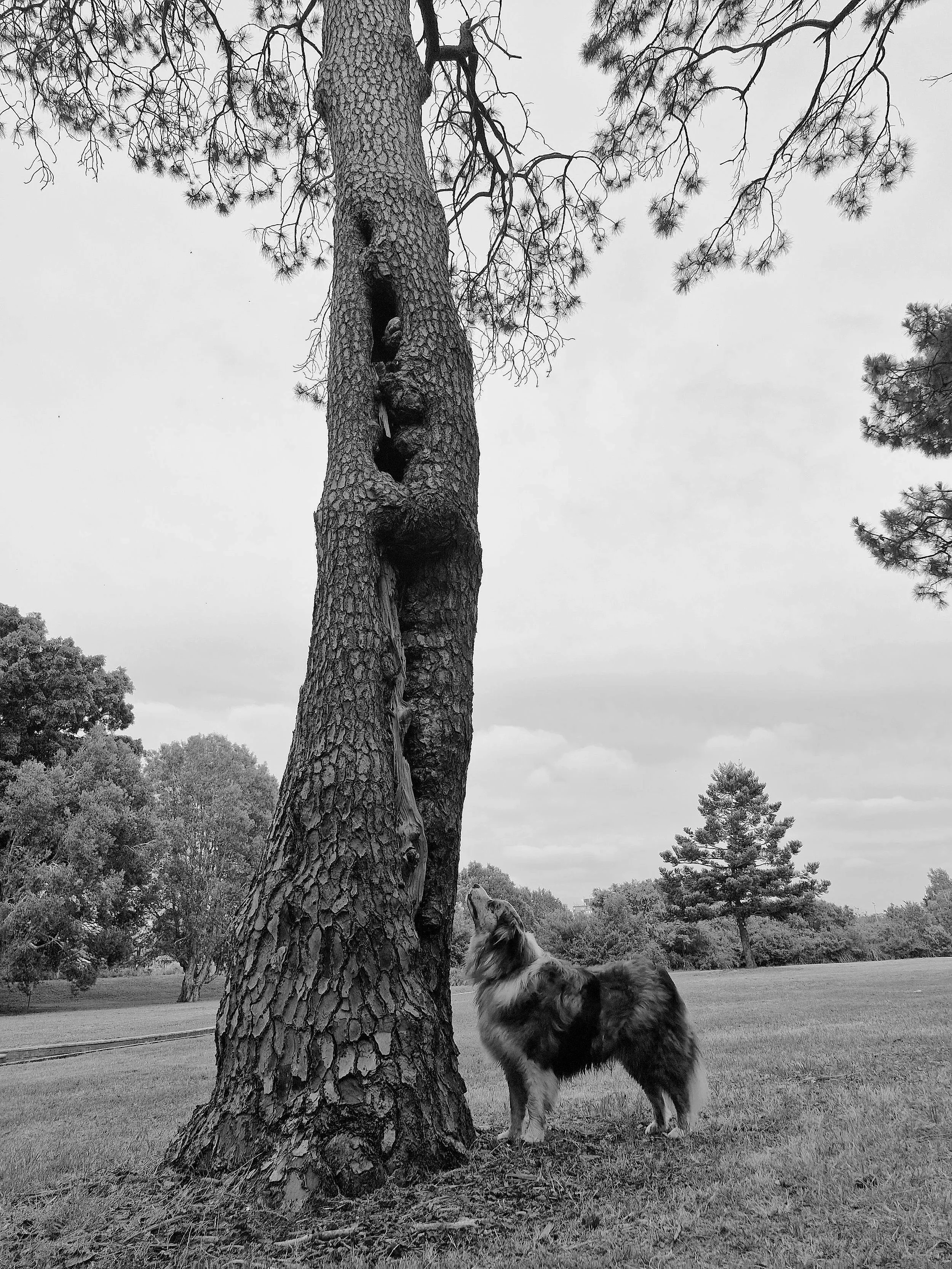
Bluey likely covered 7.5–10 km through natural herding patterns.
Riemer, S., Müller, C., Virányi, Z., Huber, L., & Range, F. (2018). Individual differences in dogs’ exploratory behaviour and distance covered during walks. Animal Behaviour, 135, 131–141.
-

24 minutes of sniffing supporting cortisol reduction.
Horowitz, A. (2017). Smelling themselves: Dogs' investigation of their own odours. Behavioural Processes, 143, 17–24.
-

74% movement time enhancing aerobic efficiency.
Brooks, G. A. (2020). The science and translation of lactate shuttle theory. Cell Metabolism, 31(2), 228–249.
-

Terrain variability improving proprioception.
McGowan, C. M., Goff, L., & Stubbs, N. (2007). Proprioception and performance in athletic dogs. The Veterinary Journal, 173(1), 158–165.
-

Outdoor exposure supporting serotonin and circadian health.
Lambert, G. W., Reid, C., Kaye, D. M., Jennings, G. L., & Esler, M. D. (2002). Effect of sunlight and season on serotonin turnover in the brain. The Lancet, 360(9348), 1840–1842.