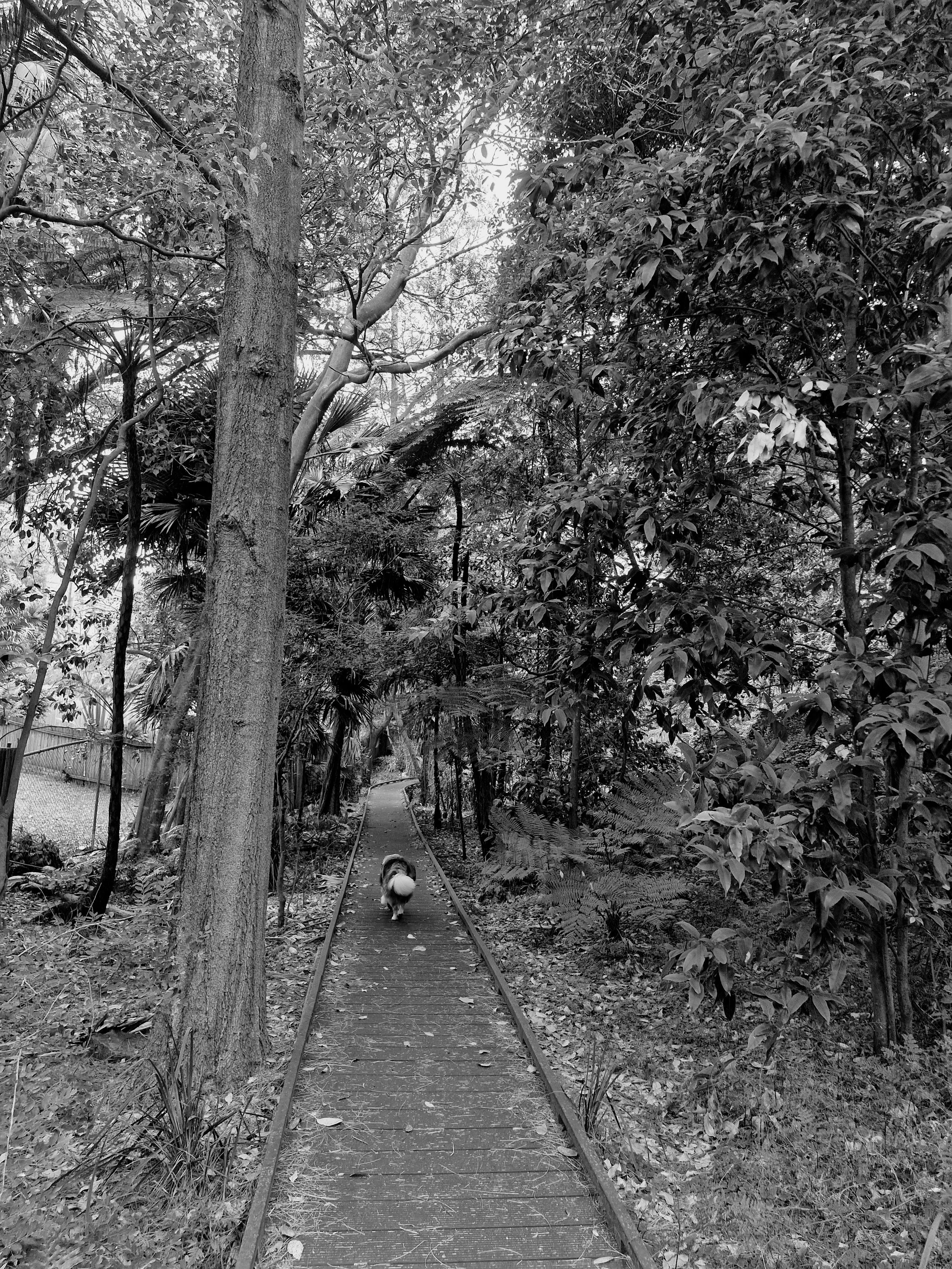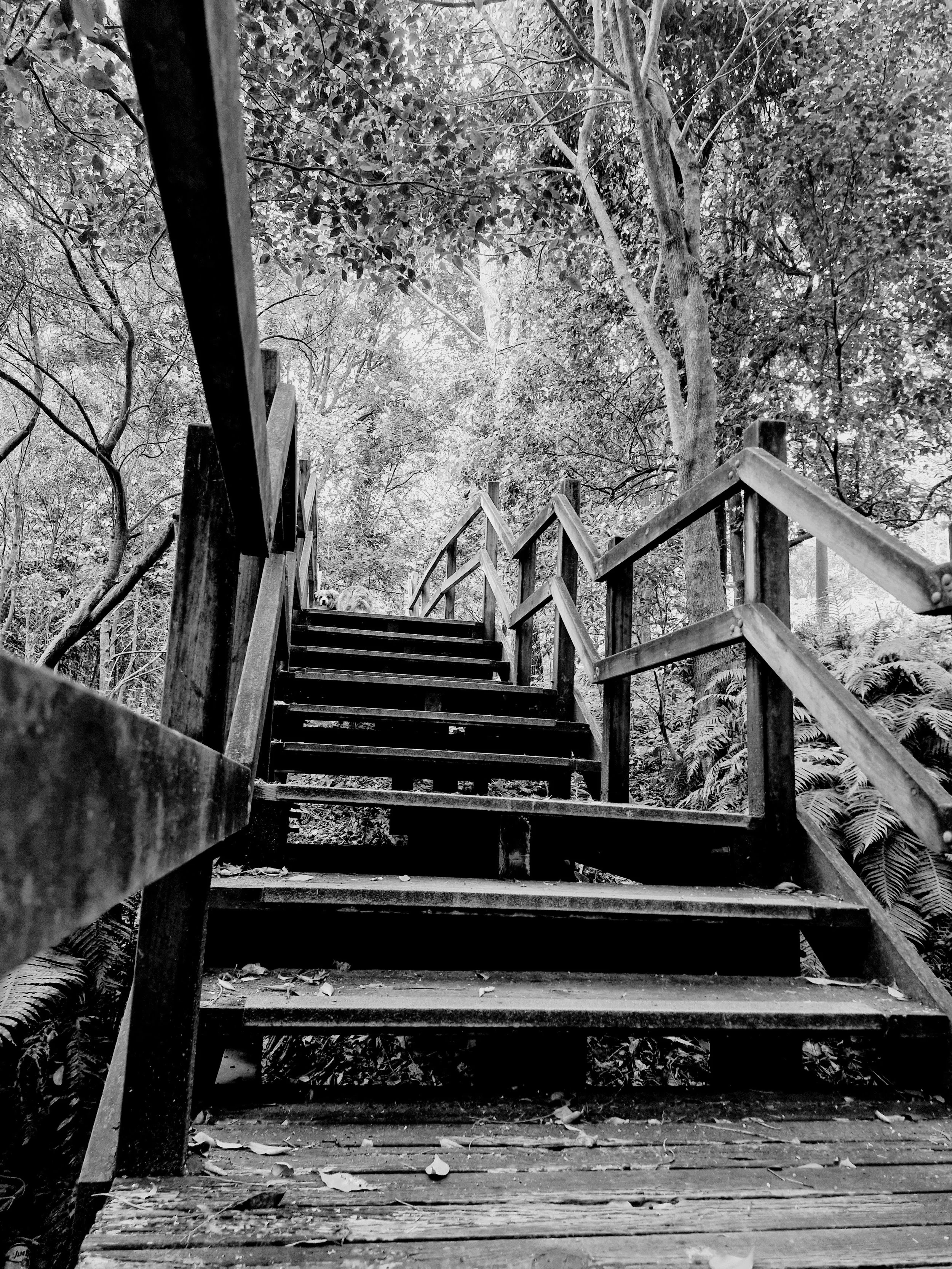
Fred Hollows Walk
Fred Hollows Walk
Randwick, NSW - Australia
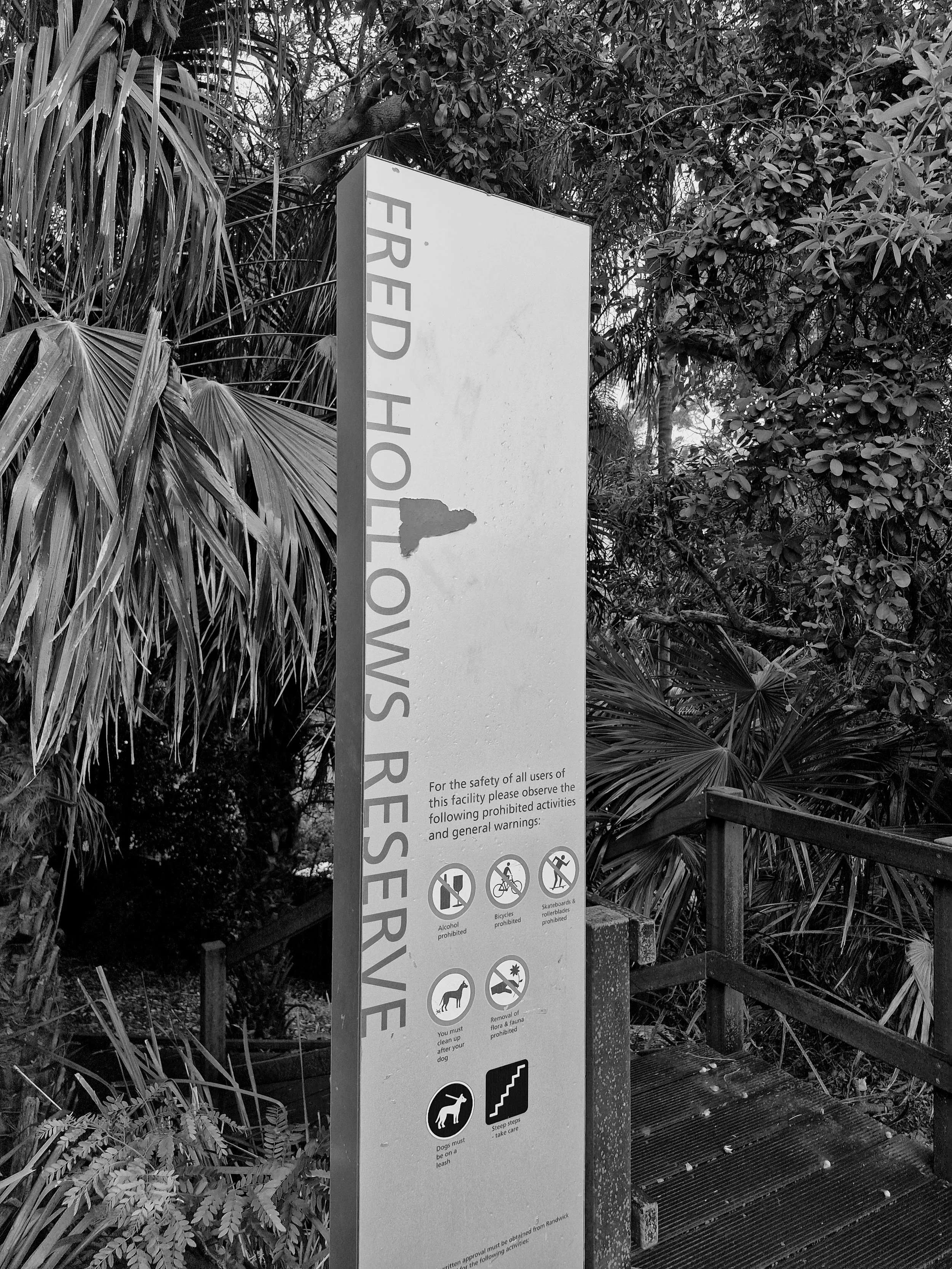
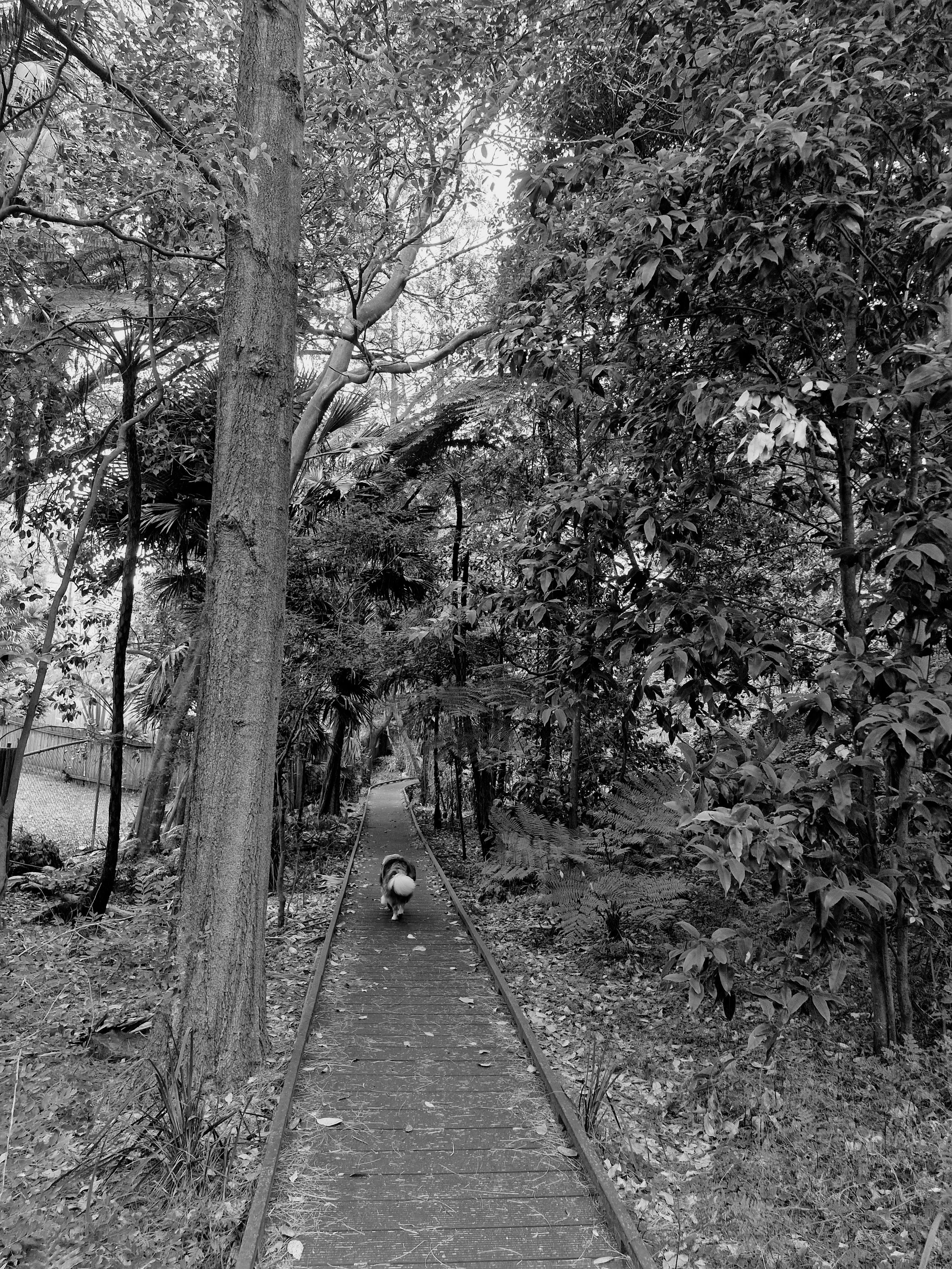
Tucked between Randwick and Coogee, the Fred Hollows Reserve is a shaded gully of urban rainforest, honouring Professor Fred Hollows and his work restoring sight and dignity around the world. Today’s walk through this pocket of bushland wasn’t just mine, it was Bluey’s too. As a young Border Collie, he needs structured movement and sensory exploration, and this trail delivers both.
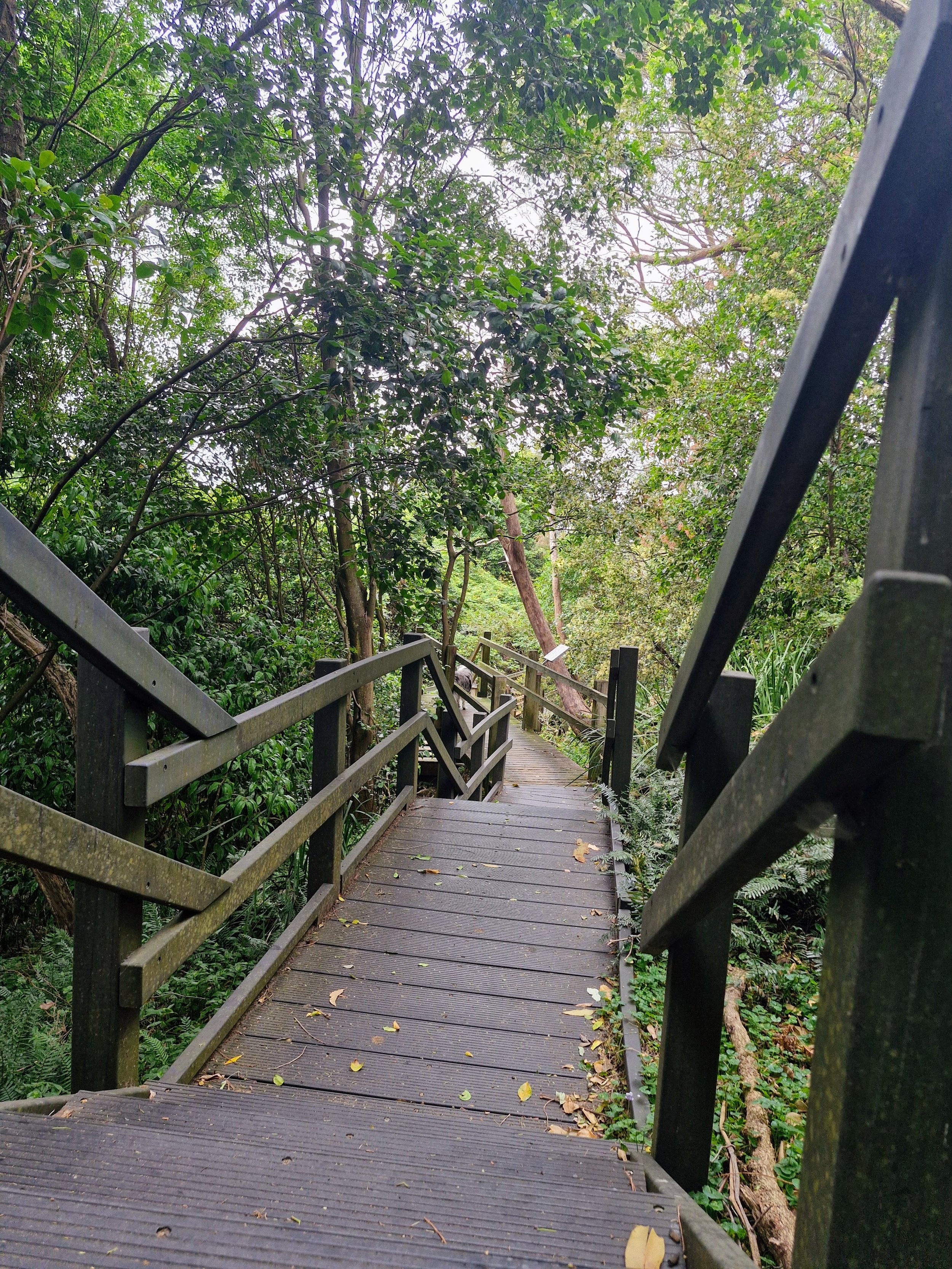
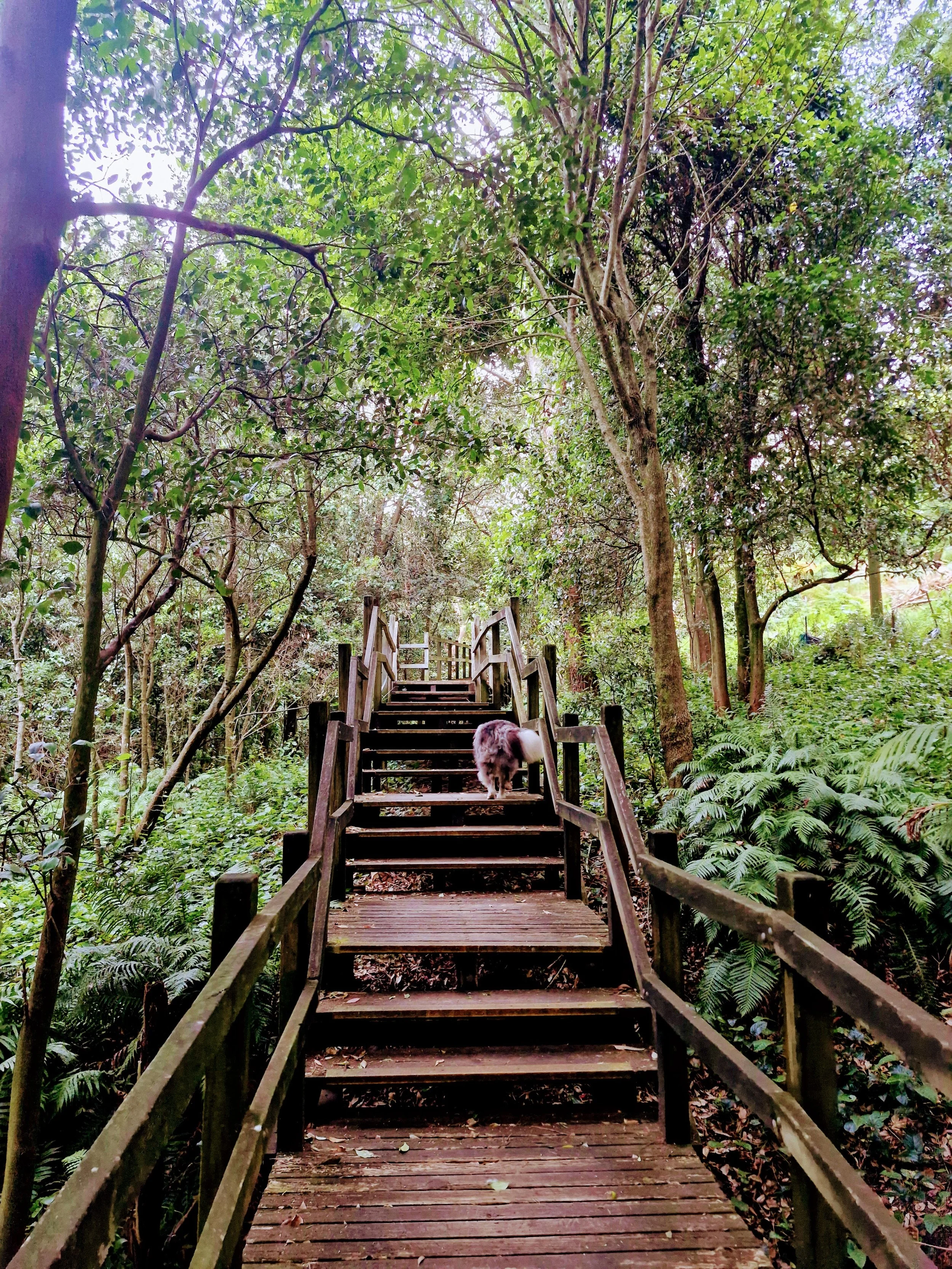
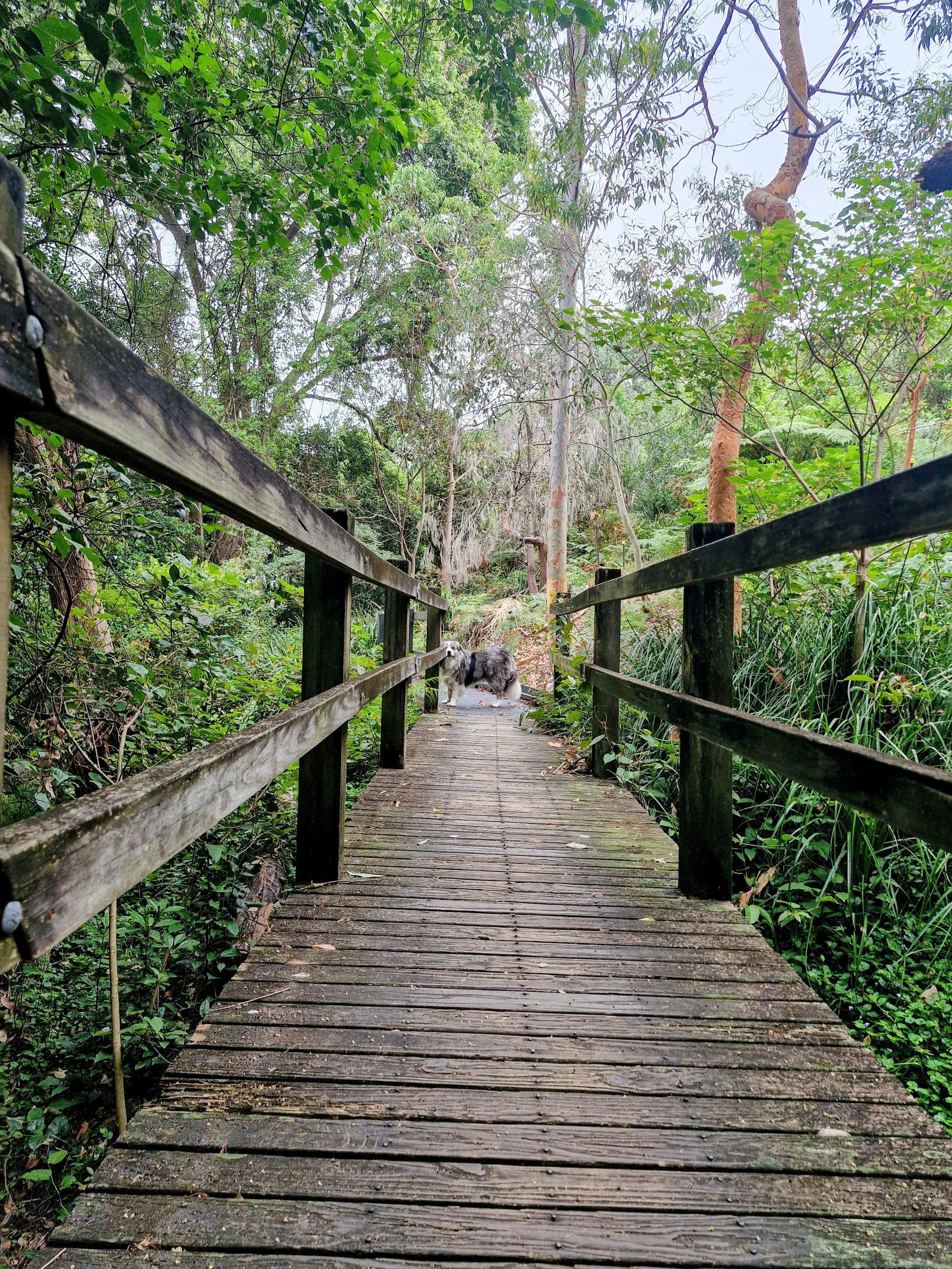
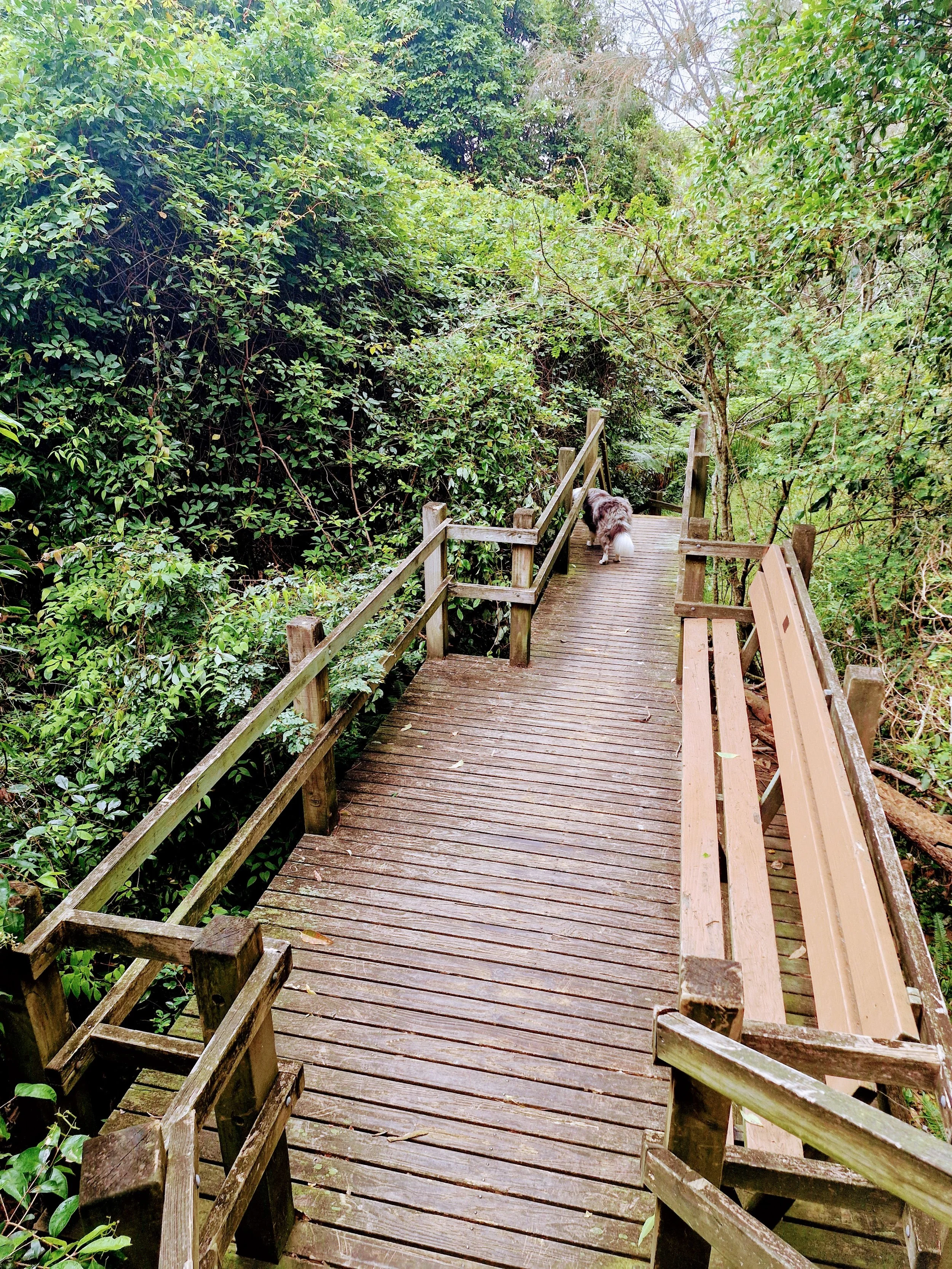
The Fred Hollows Reserve sits inside a narrow, leafy gully, and the walk naturally follows the shape of the land. The mix of raised boardwalks, compact soil paths, and small stair sections creates gentle changes in rhythm as you move through it. For dogs, it’s a great sensory environment: the cool air under the canopy, the damp scents along the creek, the rustle of wildlife hidden in the ferns, and the echo of footsteps along the timber path all add layers of stimulation.
Even though it’s small, the reserve feels like its own tiny ecosystem, with native plants, bird calls, and a cool microclimate that makes the walk refreshing for both humans and energetic dogs exploring alongside you.
-
23 minutes of Zone 1–2 aerobic conditioning.
Seiler, S. (2010). What is best practice for training intensity and duration distribution in endurance athletes? International Journal of Sports Physiology and Performance, 5(3), 276–291.
-

1.10 km with 69m elevation for lower-limb strength.
Millet, G. Y., & Lepers, R. (2004). Alterations of neuromuscular function after prolonged running. Exercise and Sport Sciences Reviews, 32(1), 34–39.
-
Avg HR 102 bpm indicating parasympathetic recovery.
Stanley, J., Peake, J. M., & Buchheit, M. (2013). Cardiovascular parasympathetic reactivation after exercise: implications for recovery. Sports Medicine, 43(12), 1035–1057.
-
Bluey likely covered 3km through natural herding patterns.
Riemer, S., Müller, C., Virányi, Z., Huber, L., & Range, F. (2018). Individual differences in dogs’ exploratory behaviour and distance covered during walks. Animal Behaviour, 135, 131–141.
-

9 minutes of sniffing supporting cortisol reduction.
Horowitz, A. (2017). Smelling themselves: Dogs' investigation of their own odours. Behavioural Processes, 143, 17–24.
-
76% movement time enhancing aerobic efficiency.
Brooks, G. A. (2020). The science and translation of lactate shuttle theory. Cell Metabolism, 31(2), 228–249.
-
Terrain variability improving proprioception.
McGowan, C. M., Goff, L., & Stubbs, N. (2007). Proprioception and performance in athletic dogs. The Veterinary Journal, 173(1), 158–165.
-

Outdoor exposure supporting serotonin and circadian health.
Lambert, G. W., Reid, C., Kaye, D. M., Jennings, G. L., & Esler, M. D. (2002). Effect of sunlight and season on serotonin turnover in the brain. The Lancet, 360(9348), 1840–1842.